
The final 3 guiding principles are here and we start with principle number 8.
Brightline Initiative with Project Management Institute launched 10 guiding principles for executives. I have explored 7 principles already and in this post I will share my thoughts about principle 8. Have you checked the course out already? or even read any of the reports they published? If not yet, I urge you to do so. There is a lot of valuable information. In my last post, I talked about how principle 7 focused on decision making and ensuring that all employees know they are empowered to make decision. Principle 8 brings another dimension. It is all about resisting temptation.
Principle 8 – Check Ongoing Initiatives First Before Committing to New Ones
This principle is about making sure you have all the updates on what is currently taking place in your business before embarking on a new adventure. Understanding the status of the current portfolio is essential to make decisions about any new ideas. In this module, Brightline talks about the temptation leaders have to assume everything is ok, resources are capable and the existing portfolio is succeeding. This temptation is easy to fall for and it will lead to barrier from making the right decisions. Leaders must understand what is progressing, the capacity of the resources involved before they approve a new initiative. Just because an idea sounds sexy and has potential does not warrant it an immediate Yes.
This module brings examples from NASA and Bill and Melinda Gates Foundation.

What intrigued me was the strategy framework that Gates foundation follow. They call it the Bottom-Up cycle. What they do is execute, measure, review, adjust their strategy to ensure maximum impact is achieved. Do you recognise the 4 stages? Do they sound familiar? This is what I spoke about early on with the cycle of PDCA in Quality (Plan-Do-Check-Act). This concept seems to appear in different shapes and names with various business models. It is another proof that the PDCA works. I have put both model side by side in the below figure
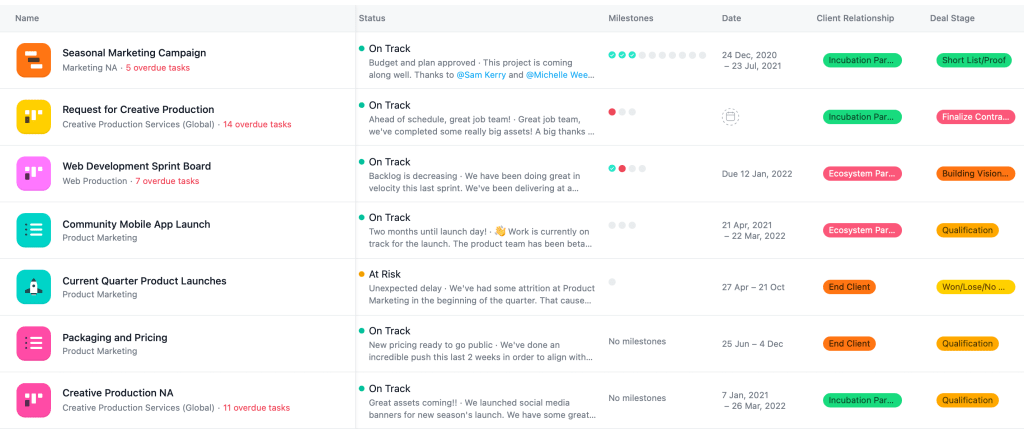
The are plenty of ways for a leader to keep track of the current initiatives before approving a new one. I will share with you a tool that I use every day for work and is a life saver. ASANA is a project management, collaborative tool that empowers transparent and product work. It will revolutionise the actual way you work and question the need for you to every use emails again. One of its key features is portfolio management. The beauty 🦄 of this feature is that it brings to you, the leader, a snapshot of where things are. The below image is a fictitious example but one which will hopefully show you how you will be able to view the initiative, its status, achieve milestones and how many more to go, due dates and any other key metrics you want to view at this helicopter view. Of course there are other tool out there, but I am sharing this as I work with it first hand.

I hope you enjoyed this post. Enter your email and subscribe to my blog to be the first to get notified of my new posts, and don’t forget to check the previous 7 guiding principles.


Leave a Reply