
Welcome to the series of How To:Quality. Your 3 min guide on how Quality Professionals address various business needs to drive Improvement and Governance.
With every piece of work (project, policy, process, or task), assumptions could get in the way. If they are not addressed propoerly, they could create waste, especially on a project and policy scale.
In this post, I will go over what assumptions are, and how you can address them.
How to: Quality
Assumptions:
Project Management Institute (PMI), in its seventh edition of the PMBOK Guide advises project managers to focus on value. Project Justification is a starting point to focus on value, as it provides the basis for a business to invest in the project. Assumptions are part of the project justifications.
When it comes to recognising, evaluating and responding to system interaction, challenging assumptions is part of the elements that should be visited alongside demonstrating empathy to the various business areas and seeking advice where required. These are activities and behaviours that helps any leader keep their plan updated, validates, and where necessary assumptions removed, or confirmed. So what is an assumption?
‘An assumption is a factor that is considered to be true, real or certain without proof’ (PMBOK Guide, PMI, 2021).
You rely on assumptions at the start of the project, it helps you with your planning, you monitor them during the delivery of the work, and you assess them in times on uncertainty.
For instance
You are about to kick off a project that requires company A to ingest a massive amount of data from company B. Your technical team starts to build a coherent picture of how the infestation looks like. They state that the infestation of the data will take place via direct access to company B data warehouse. They base this assumption on previous projects with company B. This is a fair assumption and gets documented and shared with all stakeholders.
So are assumptions similar to project givens?
In a way, you can think of them as the givens. Remember, they are elements that are considered true without proof. To differentiate an assumption from scoping a requirement, let’s check this assumption.
Company B will make the data available in a structured format, following five distinct columns or pillars that will distinguish the data set. I would consider this a requirement and not an assumption. It is a requirement because failing to have it true would impact (potentially negatively) the project work. But it is not always black and white. As a project manager, you can certainly put that statement as an assumption in your project justification document. You have to ensure such assumption is validated and confirmed at the kick off stage. Why is having the data structured this way important? What if the data was not structured in this manner, what implications will that have on the deliverables? These questions will help you work with the assumption to determine if it is valid and should form part of the planning or not.
How to bust assumptions:
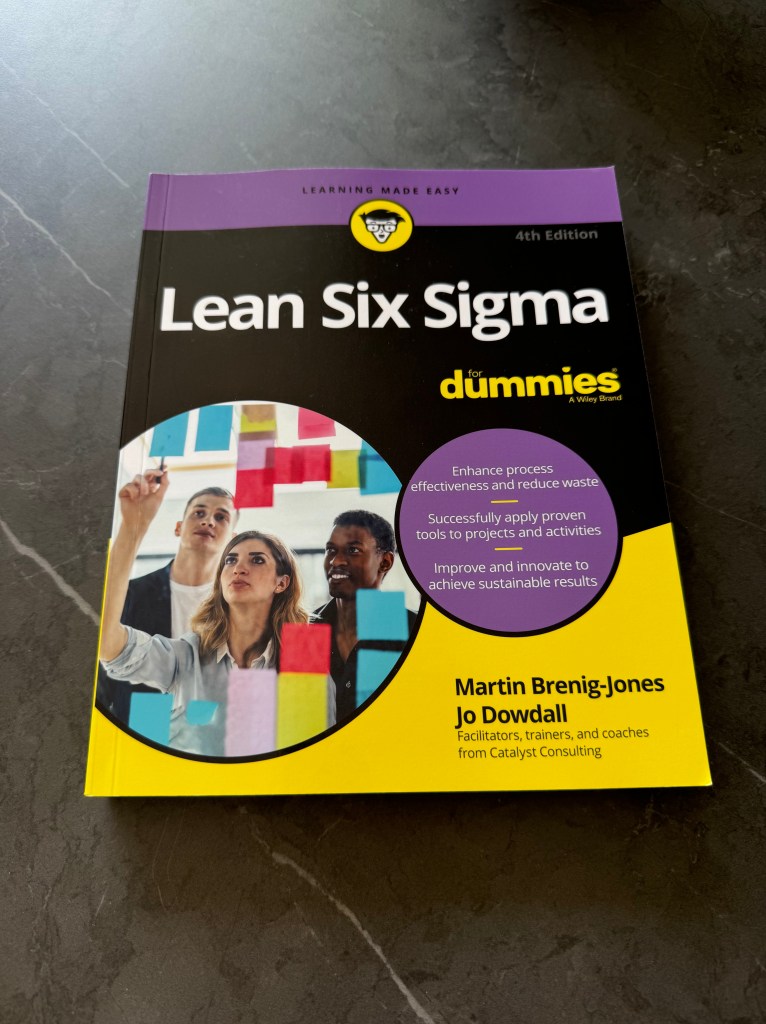
The way to do so is no rocket science. It involves a clear and methodical approach. Starting with interviewing your stakeholders is an excellent way to do seek clarify and engagement. But clarity is not the only thing you should get out of the assumptions. According to Brenig-Jones and Dowdall in their book Lean Six Sigma for Dummies (2022), you can bust assumptions in three effective steps:
- Identify them
- Challenge them
- Identify how it can be done
The most important step for me is to challenge the assumptions. Ask your team, why was this assumption made? on what basis did we get to this assumption? Understanding the reason behind this assumption will help you either validate it, challenge it i.e. provide an alternative path, or remove it totally. Assumptions are good to build the justification of a project. Not constantly evaluating and monitoring those assumptions could be detrimental to your project.
Remember that the reason why you go through this exercise is to ensure the planning you are putting in place is as close to the reality as possible. You also go through this exercise to ensure that:
if information is uncovered in the life of the project that would contradict or alter the project’s activities, you would know (in most cases) how to handle them, and what the next course of action should be.
Assumptions are not bad. They are essential in the planning phase of your project. Make sure you evaluate them, challenge them, and address them for a better chance of success.
If you enjoyed this How To scenario, why not follow me for other scenarios dropping straight into your inbox 👇
If you would like to see a particular topic covered in this series, please get in touch and let me know the topic or scenario, and I will do my best to help. You can get in touch on your preferred platform 👇
 the Quality strategy
Leave a comment